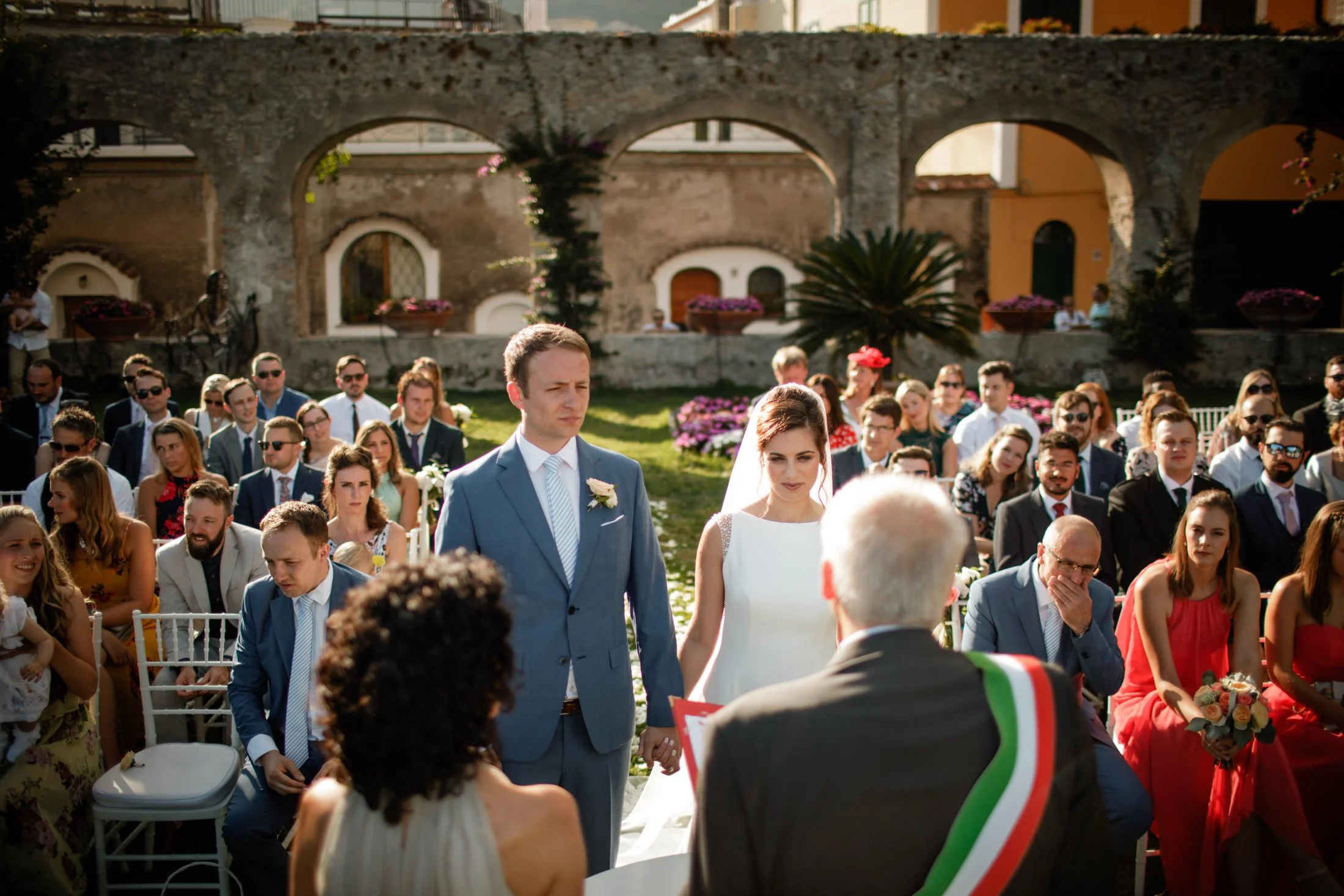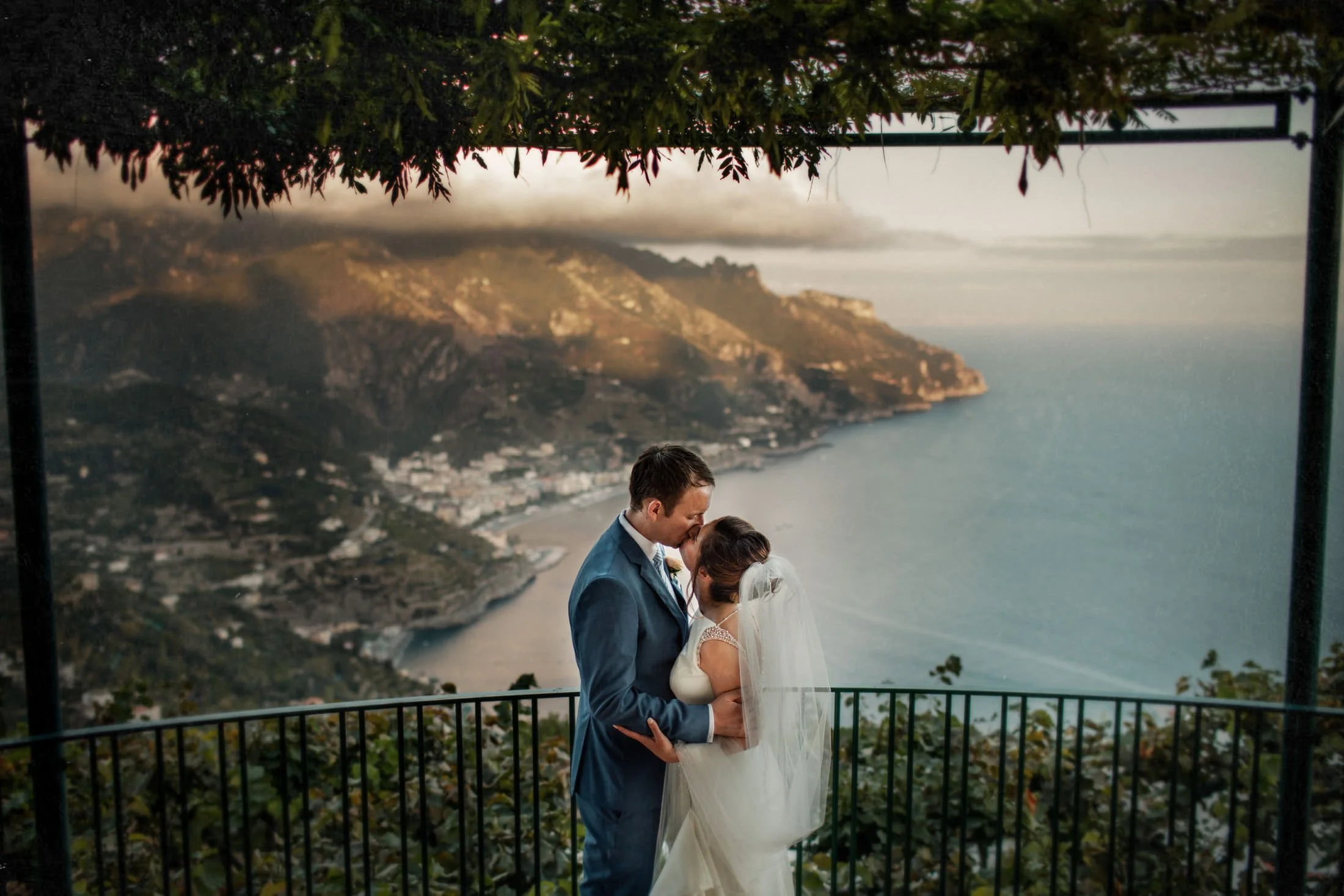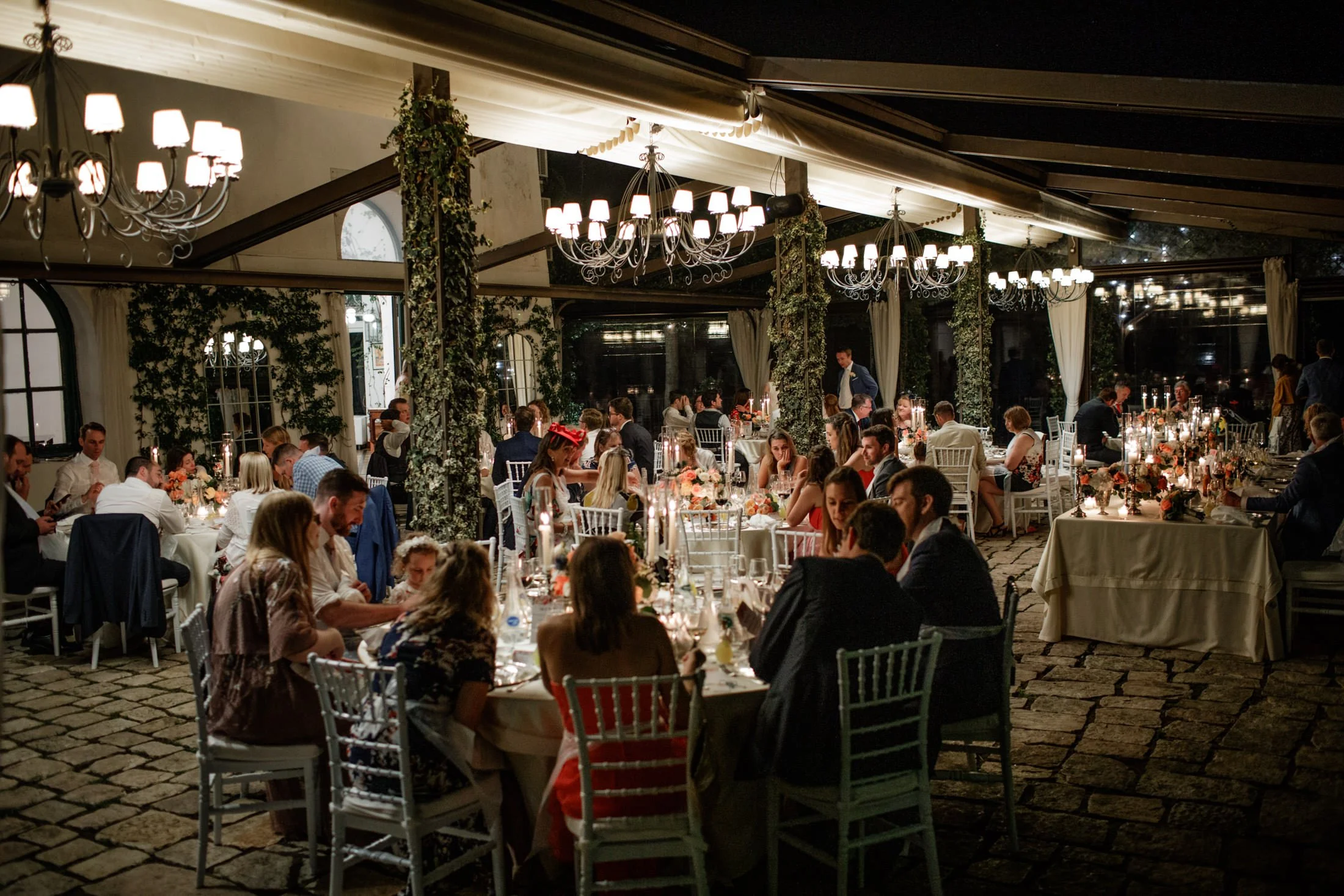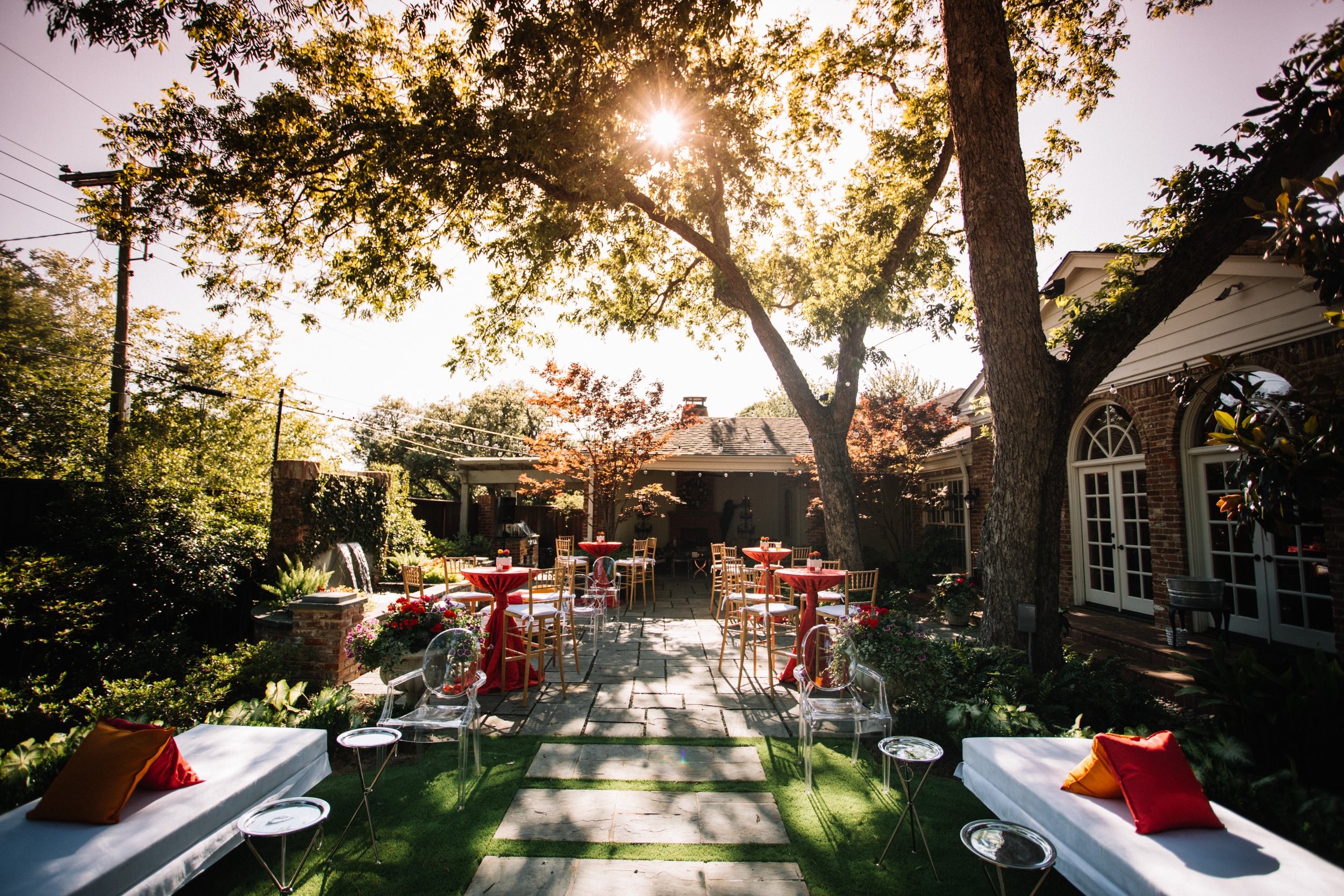
How to Choose Your Wedding Location in Italy: Lake Como vs Tuscany vs Amalfi vs Rome

If you’re planning a destination wedding in Italy, choosing the location can feel like the biggest decision because it shapes everything else: the weekend flow, the guest experience, the logistics, the budget, and yes… the photos.

This guide is here to make the decision simpler and more you-focused.

Instead of asking, “What’s the most famous place to get married?” ask:

What kind of weekend do we want to live inside?
Quiet and immersive? Glamorous and cinematic? Coastal and high-energy? Urban and romantic?

Below, I’ll break down Lake Como, Tuscany, Amalfi, and Rome by vibe, practical realities, and who each place fits best—especially for intimate, multi-day celebrations.

Start with these 4 questions

Do you want your wedding to feel like a retreat or an adventure?

  • Retreat: Tuscany villa weekend

  • Adventure: Rome + city energy, Amalfi movement, boats/drives


How important is “ease” for your guests?

  • Ease: Tuscany (single location), many Como villas

  • Harder: Amalfi (stairs/transport), Rome (city coordination)


Do you want one central venue or multiple “moments” across the weekend?

  • One venue weekend: Tuscany / some Como villas

  • Multiple moments: Rome / Amalfi (by nature of the geography)


What do you want the background to feel like?

  • Mountains + lake elegance: Como

  • Rolling countryside + warm intimacy: Tuscany

  • Dramatic coastline + Mediterranean romance: Amalfi

  • Timeless city + cinematic history: Rome


Lake Como weddings

The feel

Elegant, cinematic, iconic. Como feels like classic romance with a little “old-world glamour.” It’s ideal if you want a refined setting, lake views, and a weekend that can feel both relaxed and elevated.

Best for couples who…

  • want a luxury-meets-intimate atmosphere

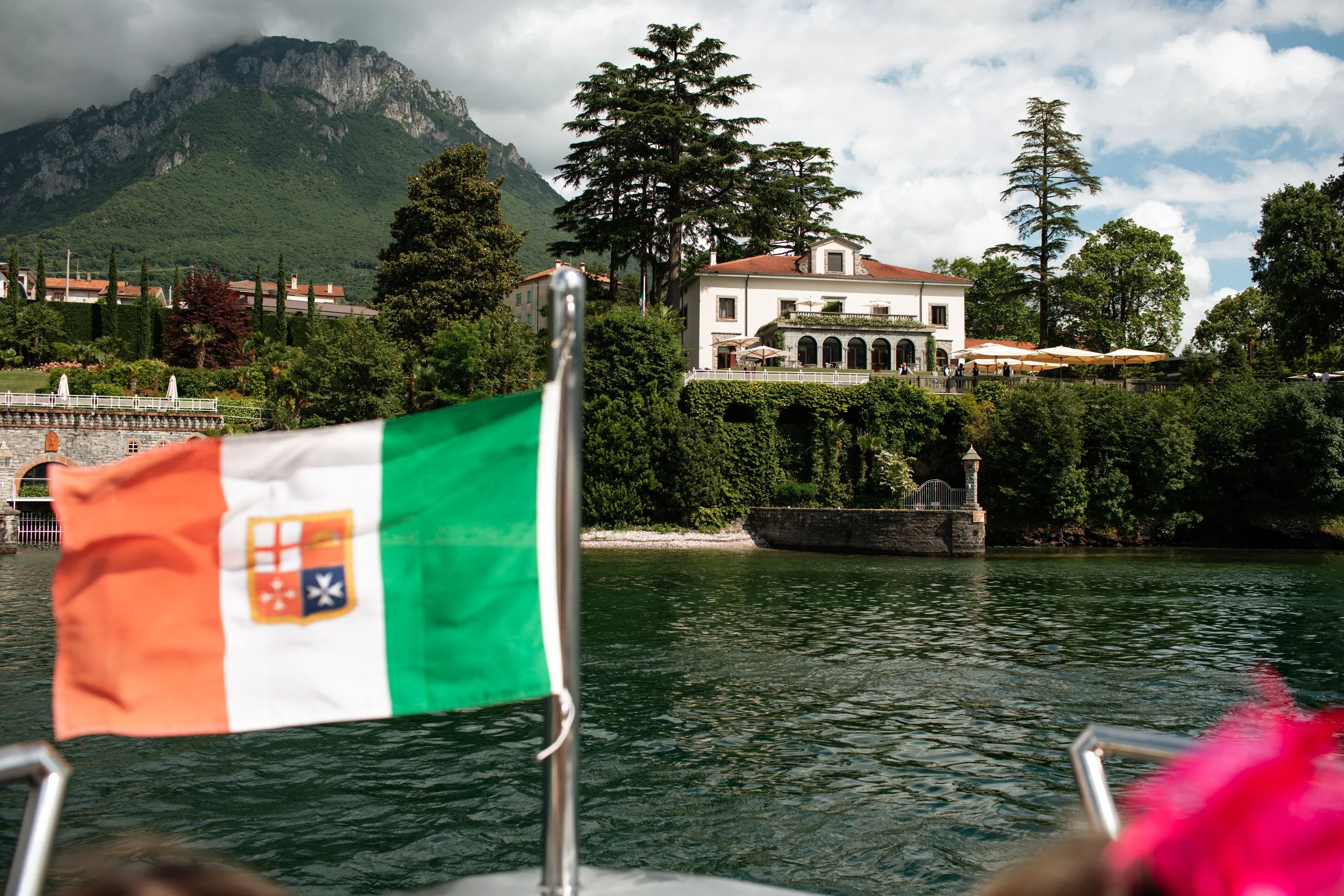
  • love the idea of boat moments and lakeside aperitivo energy

  • want guests to feel like they’ve stepped into a film

Real-life logistics to know

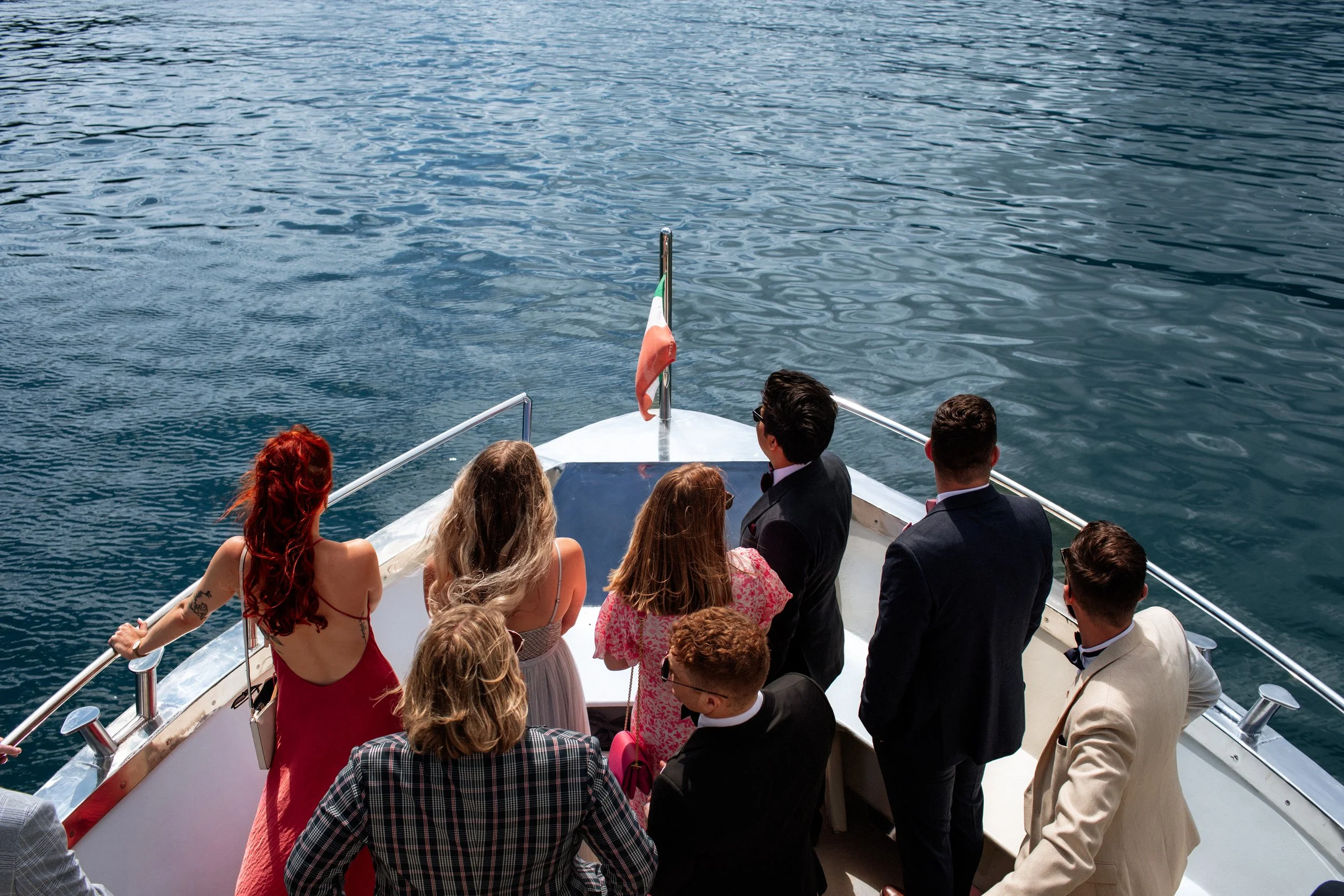
  • Boats and transfers are part of the magic… and part of the timeline.

  • Some areas are car-limited and require planning for vendor load-in and guests.

  • Weather can be stunning but variable—Plan B matters.

Photo-friendly notes

Como shines with:

  • early evening light on the water

  • villa gardens and architectural portraits

  • day-after “boat hour” sessions (often the most relaxed photos)

If you want: polished elegance + a little drama, Como is hard to beat.

Tuscany weddings

The feel

Immersive, warm, grounded. Tuscany is the “wedding weekend retreat” choice—where everyone arrives, exhales, and lives together for a few days.

Best for couples who…

  • want a villa weekend with under ~100 guests

  • value connection, long meals, and that “summer house” feeling

  • want the least stressful version of a destination wedding

Real-life logistics to know

  • The biggest win: one central home base (guests, events, and photos all flow).

  • Transportation is usually simpler than Amalfi and less segmented than Rome.

  • Your weekend can be beautifully paced: welcome dinner → wedding day → brunch.

Photo-friendly notes

Tuscany photographs like memory:

  • golden fields, olive groves, stone villas, candlelit dinners

  • it’s naturally suited to documentary coverage because people linger and connect

If you want: calm, intimate, “we actually lived it,” Tuscany is the easiest yes.

Amalfi Coast weddings

The feel

Electric, dramatic, and undeniably romantic. Amalfi is high-impact beauty: cliffside views, coastal color, and that “we can’t believe this is real” atmosphere.

Best for couples who…

  • love movement and don’t mind some logistics to get the reward

  • want epic scenery and vibrant guest energy

  • want a destination wedding that feels like a once-in-a-lifetime trip

Real-life logistics to know (the honest part)

  • Transportation takes time. Roads are narrow and traffic is real.

  • Many locations involve stairs and elevation—plan guest comfort intentionally.

  • Building a schedule with buffer isn’t optional here; it’s how you keep it calm.

Photo-friendly notes

Amalfi is incredible when you:

  • schedule the ceremony later to avoid harsh midday sun/heat

  • plan portraits efficiently (short windows, not marathon sessions)

  • protect transition time so you’re not rushing everywhere

If you want: breathtaking scenery + big “Italy energy,” Amalfi delivers—best with a strong planner and a padded timeline.

Rome weddings
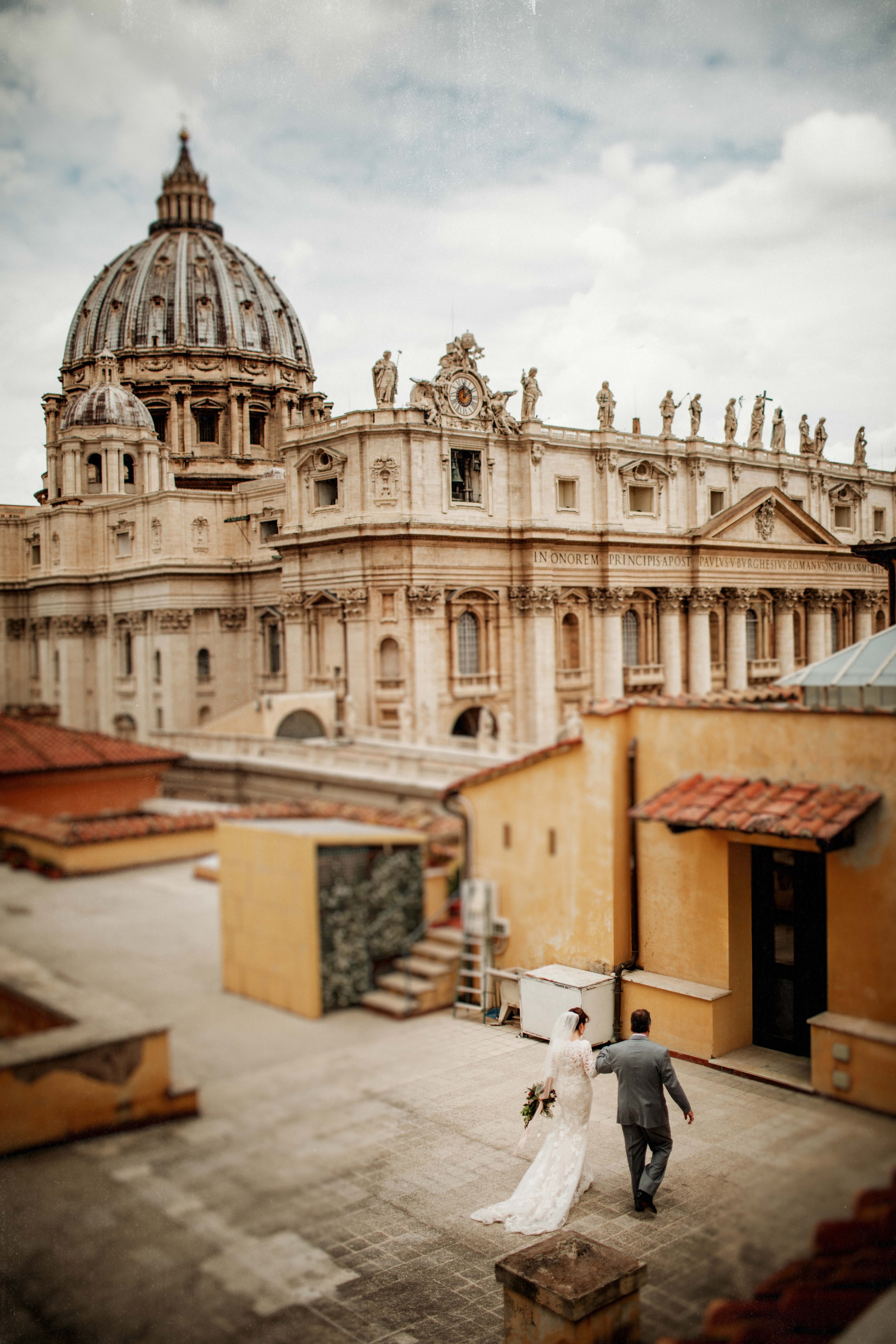
The feel

Timeless, soulful, cinematic. Rome is for couples who love history, texture, and city romance—where the backdrop is alive and every corner has story.

Best for couples who…

  • want culture, food, and atmosphere as the main character

  • love the idea of a city celebration (or a Rome chapter of a larger Italy trip)

  • want guests to explore, wander, and experience Italy deeply

Real-life logistics to know

  • City weddings can involve more coordination (transport, permits, timing, crowds).

  • The payoff is huge—but it helps to plan intentional “moments” rather than trying to do everything.

Photo-friendly notes

Rome is at its best:

  • early mornings or late afternoons (softer light, calmer streets)

  • with a short, relaxed portrait walk built into the weekend

  • with intimate gatherings where the city becomes texture, not a distraction

If you want: historic romance + cinematic storytelling, Rome is unmatched.

Quick comparison

(the “which one is us?” version)

Choose Tuscany if you want…

  • the calmest weekend flow

  • one beautiful home base

  • long dinners, presence, and intimacy

Choose Lake Como if you want…

  • classic elegance and lake glamour

  • villas, gardens, and boat moments

  • refined, cinematic visuals

Choose Amalfi if you want…

  • dramatic coastline and vibrant energy

  • a “trip of a lifetime” feel

  • you’re okay trading ease for impact (with the right plan)

Choose Rome if you want…

  • city romance, history, and texture

  • a celebration that feels cultural and alive

  • cinematic storytelling in an iconic setting


Seasonality notes

(simple, practical)

  • Summer can mean heat + strong sun (and on Amalfi, more congestion). Build in comfort and margin.

  • Shoulder seasons often feel calmer and more breathable.

  • Regardless of month: Plan B matters—choose one you actually like, not one you tolerate.

My Advice on How to decide

Pick your top two locations and imagine this moment:

It’s the morning after the wedding.
Where are you having coffee? What do you hear? What does the air feel like? Are you walking through a village, looking out over water, sitting at a long villa table, or stepping into a quiet Roman street?

That “morning after” vibe usually tells you the truth.

Want help choosing based on your exact weekend?

Contact me and share:

  • your guest count

  • the kind of weekend you want (retreat vs adventure)

  • your preferred feel (elegant / warm / dramatic / historic)


    I’ll suggest which location fits best and share a sample galleries for you to see other couple’s experiences.

Choosing Vendors for a Destination Wedding in Italy: How to Build a Calm, Trustworthy Team

When you’re planning a wedding in Italy from abroad, vendor choices don’t just affect how things look—they affect how the weekend feels.

The right team creates ease: clear communication, smart logistics, and a celebration that feels present and un-rushed. The wrong team creates noise: confusion, timeline chaos, and that “we’re managing the wedding” feeling you’re probably trying to avoid.

This guide is meant to help you choose vendors with confidence—especially your planner—so you can enjoy the weekend and trust that the important moments won’t be missed.


Start here

your planner is the keystone

If you do one thing well, choose your planner well.

For intimate, multi-day weddings in Italy, your planner is:

  • your translator (sometimes literally)

  • your project manager

  • your logistics brain

  • your vendor curator

  • your calm in the middle of moving parts

Local Italy-based planner vs. “destination planner” from home

Both can be great, but they solve different problems.

Italy-based planner (Rome/Tuscany/Como/Amalfi) is ideal when:

  • you want strong local relationships and on-the-ground knowledge

  • your venue has lots of rules/requirements

  • you want someone who can physically be there for site visits, tastings, walk-throughs

Home-country “destination planner” can be great when:

  • you want someone in your time zone and language style

  • you want heavy design direction and a familiar planning process

  • they partner with a trusted local Italy team for execution

Best-case scenario: a planner who’s fluent in both worlds—international client communication + Italy reality.


What to look for in vendors

If you don’t want your wedding to feel like a production, prioritize vendors who are:

Calm operators

They communicate clearly, respond consistently, and don’t create drama.

Logistics-aware

They understand transport, heat, curfews, rain plans, and what “15 minutes away” means on the Amalfi Coast.

Collaborative

They don’t protect their ego—they protect the experience.

Experienced with international clients

They can explain processes, payments, timelines, and expectations without making you feel silly for asking.


The “trust test” before you book anyone

Here’s a simple way to evaluate vendors quickly:

1) Do they make things clearer or more confusing?

After a call, you should feel more grounded—not more overwhelmed.

2) Do they give you real answers to real questions?

Good vendors don’t hide behind vibes. They’re specific.

3) Do they talk about experience as much as aesthetics?

If everything is “how it looks” and nothing is “how it flows,” that’s a flag for couples who want presence.


Questions to ask an Italy wedding planner

Use these exactly (and notice how they answer).

Planning + process

  • “What does your planning process look like month-to-month?”

  • “How many weddings do you take on per year, and who’s my day-of point person?”

  • “How do you handle timeline creation and vendor communication?”

Vendor curation

  • “How do you choose the vendors you recommend—relationship, quality, price, style?”

  • “Can you share 2–3 sample vendor teams you’ve built for similar weddings?”

Logistics (Italy reality check)

  • “What are the biggest timeline/logistics traps in our region (Como/Tuscany/Amalfi/Rome)?”

  • “How do you handle transportation for guests and vendor load-in?”

  • “What are the venue curfew/sound considerations and how do you plan around them?”

Plan B thinking

  • “What’s your approach to weather plans—and do you help us choose a Plan B we actually like?”

  • “How do you build buffer into the weekend so it doesn’t feel rushed?”

Communication + trust

  • “What’s your typical response time?”

  • “How do you handle stressful moments when things change quickly?”

Green flag: they answer with structure and examples, not just reassurance.


Red flags

(especially for destination weddings)

Not “dealbreakers” automatically—but worth pausing on.

  • Vague timelines like “we’ll figure it out later”

  • No mention of rain plan until you ask

  • Slow or inconsistent communication early on

  • Overpromising (“Everything always goes perfectly!”)

  • Pushing trends hard while ignoring your comfort level

  • No clarity on who is actually present on the wedding weekend


Building the vendor team: who matters most

(and why)

For a multi-day Italy wedding weekend, here’s the order I’d prioritize if you want the weekend to feel effortless:

  1. Planner – sets the tone, protects the flow

  2. Venue – rules + logistics determine everything

  3. Catering + bar – guest experience lives here

  4. Photo – preserves the emotional truth of the weekend

  5. Hair + makeup – affects schedule + calm

  6. Music (DJ/band) + audio – energy + speeches + ceremony clarity

  7. Florals + rentals/lighting – design, but also practical comfort

  8. Transport – the invisible decider of stress

Italy-specific vendor notes (small details that matter)

  • Sound/curfews: affects how your reception “peaks” and transitions

  • Transport timing: boats, narrow roads, distance between villa + ceremony + reception

  • Heat: ceremony time + makeup schedule + guest comfort

  • Paperwork/permits: some locations/activities need advance planning

  • Payment + invoicing: international transfers, currencies, and VAT can affect totals—clarify early


My perspective as your photographer:

the planners I love working with

The best planners for my couples tend to:

  • communicate clearly and early

  • protect the couple’s presence (no constant interruptions)

  • build timelines with margin

  • coordinate vendors like a team, not separate islands

  • plan for weather and logistics without creating anxiety

When a planner works this way, you feel it in the photos—because you were actually living the weekend, not managing it.


A simple next step if you’re choosing vendors right now

If you’d like, contact me:

  • your location (Como/Tuscany/Amalfi/Rome)

  • your guest count

  • whether you’re planning a 2-day or 3-day weekend

…and I’ll tell you what I’d prioritize for your vendor team and timeline (based on what keeps things calm and photo-friendly in that region).

Planning Your Wedding Weekend in Italy: A Calm, Photo-Friendly Timeline

Planning Your Wedding Weekend in Italy: A Calm, Photo-Friendly Timeline (2–3 Days)

If you’re planning a destination wedding in Italy, you’re probably not trying to “maximize content.” You’re trying to create a weekend that feels meaningful; shared meals, real conversations, the atmosphere of a place you love, and you want photos that bring you back to how it felt.

A good weekend timeline protects that.

This guide gives you a simple, proven structure for intimate, multi-day villa weddings in Italy (Tuscany, Lake Como, Amalfi, Rome) so you can stay present with your people, and still walk away with cinematic, honest storytelling.


The 3 rules that keep the weekend calm (and photogenic)

1) Build the schedule around people, not photo time

When the weekend is designed for connection; arrival breathing room, long aperitivi, unhurried dinners, your photos become naturally emotional without forcing moments.

2) Put “photo-sensitive” moments in the best light

You don’t need to chase perfection. You just want to avoid the usual traps: harsh midday sun, no buffer for travel, and cramming portraits into the only quiet minute you have.

3) Add margin everywhere

Destination weddings have moving parts. Boats, winding roads, hair/makeup running long, a grandparent needing a break, a toast that turns into a story. Margin is what keeps the day from feeling like a rush.


Why multi-day coverage changes everything

Multi-day coverage isn’t “more photos.” It’s less pressure.

  • Welcome night: people relax fast, hugs happen, relationships show up early

  • Wedding day: you don’t need to squeeze in “everyone” because the weekend already holds them

  • Brunch/day-after: the exhale - often the most you-looking, most natural images of all

If you’ve ever said, “We don’t want it to feel like a photoshoot,” a multi-day plan is how you get that.


The ideal Italy wedding weekend structure

This is the simplest flow I recommend for intimate celebrations under ~100 guests.


Day 1: Arrivals + Welcome

Purpose: everyone settles in, nervous energy fades, the story begins.

What works well:

  • A welcome aperitivo (60–90 minutes)

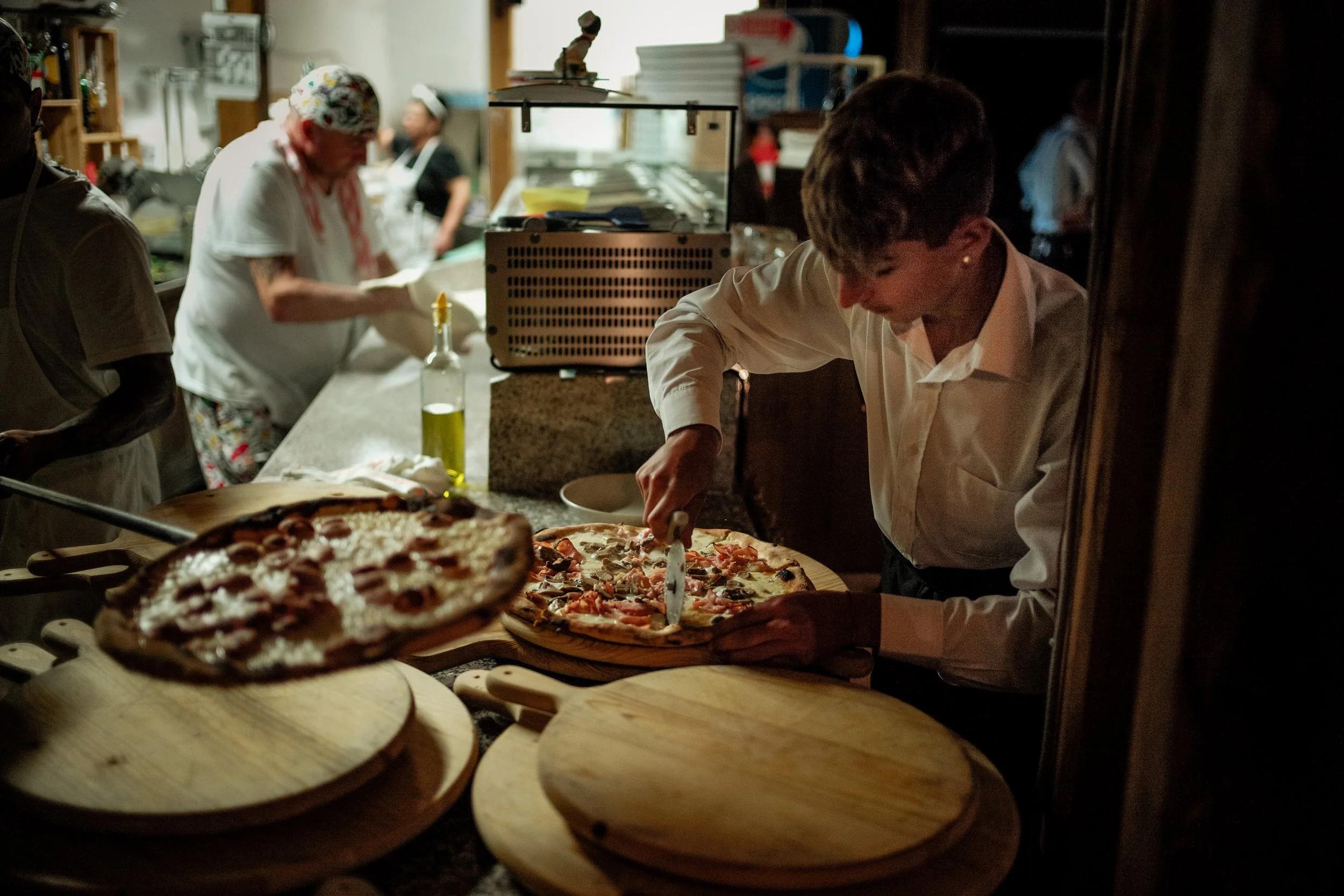
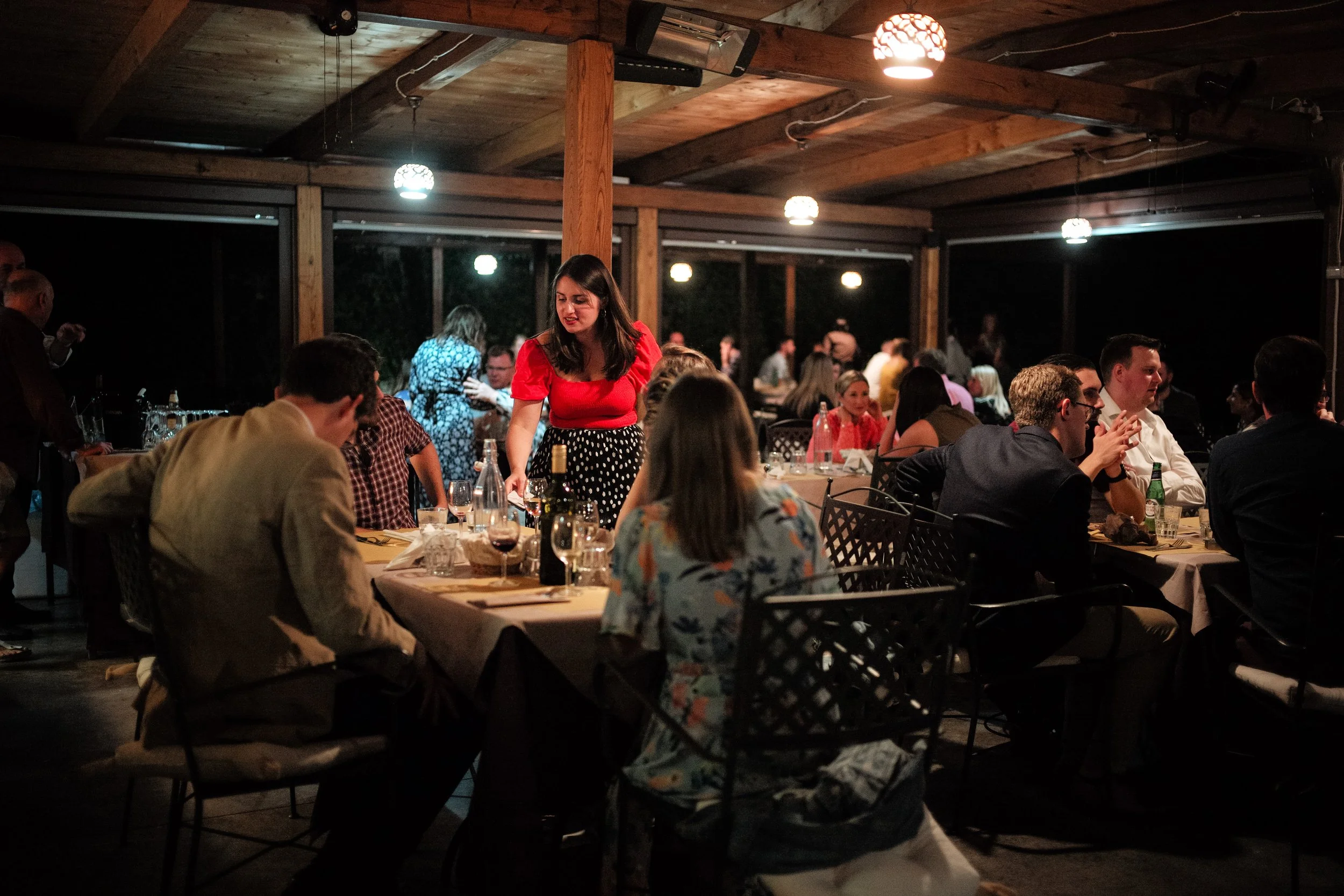
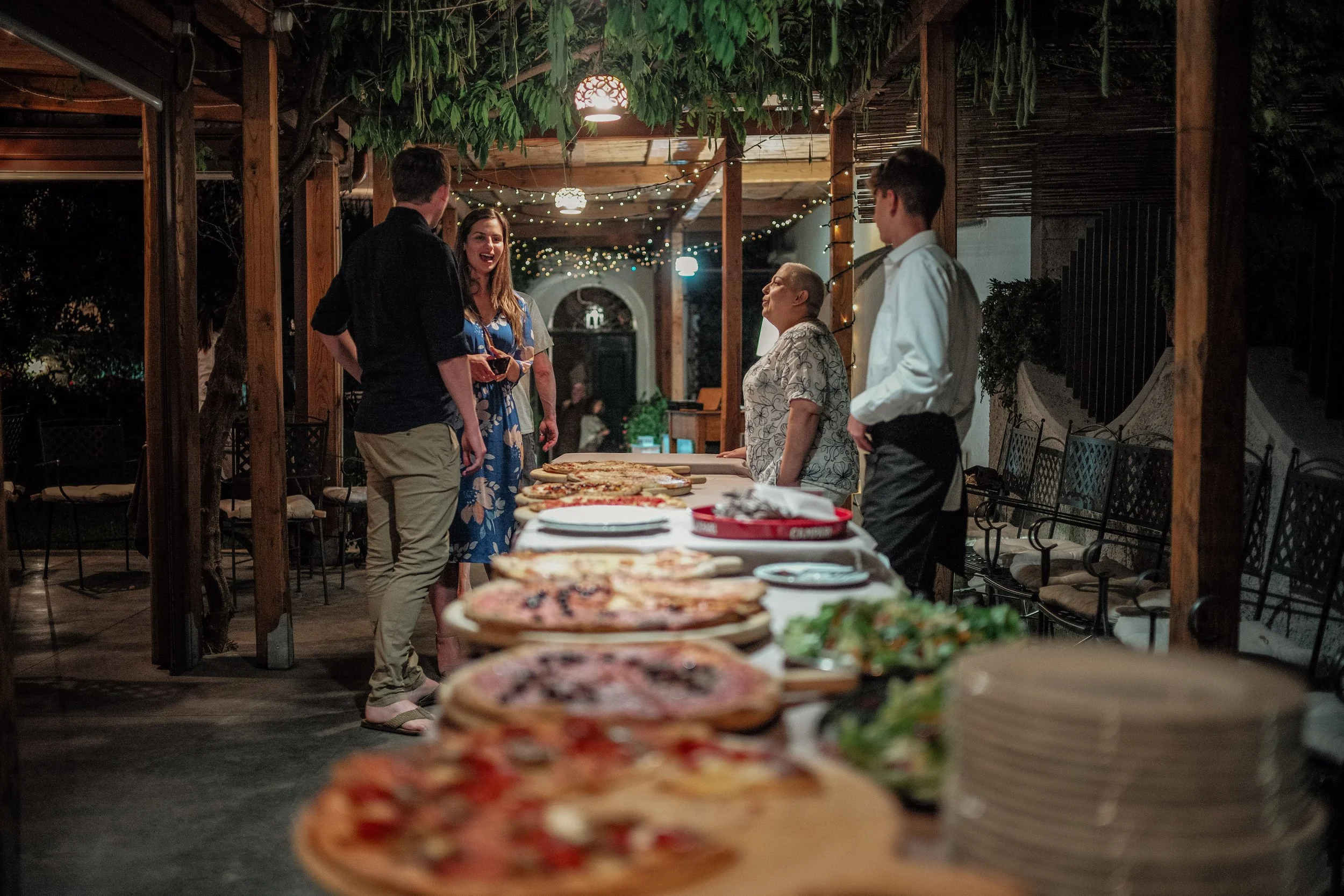
  • A casual dinner (family-style, pizza/pasta night, terrace meal)

  • Optional: a short toast window early in the evening (so it doesn’t take over)


Day 2: Wedding Day

Purpose: spacious, emotional, un-rushed.

What works well:

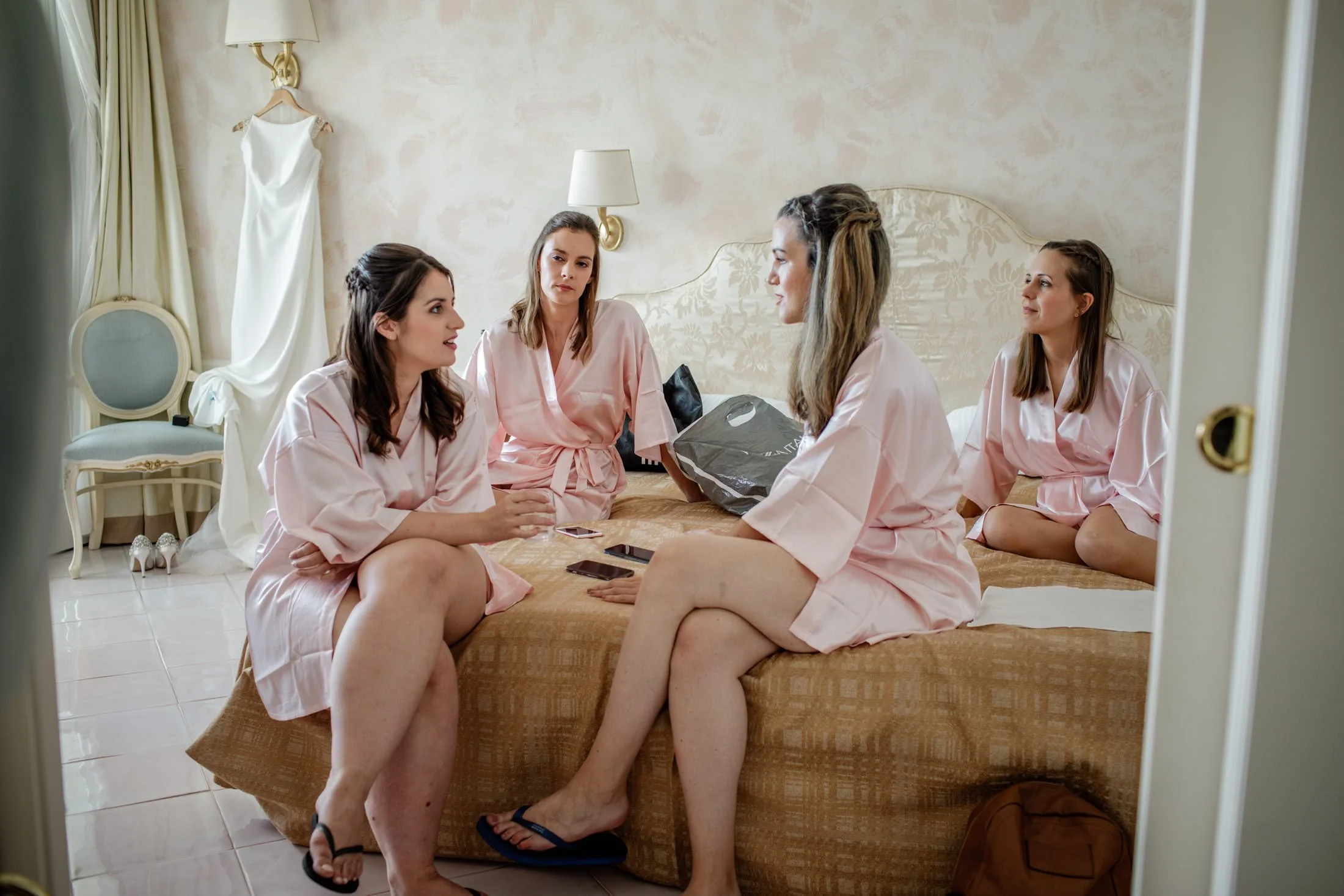
  • Calm getting ready with time to breathe

  • A ceremony time that avoids harsh light (or uses shade intentionally)

  • A cocktail hour that actually lets you enjoy it

  • A reception flow that doesn’t stack every formal moment back-to-back


Day 3: Brunch + Day-after experience

Purpose: closure + presence + remembering the whole weekend.

What works well:

  • A late brunch (let people sleep)

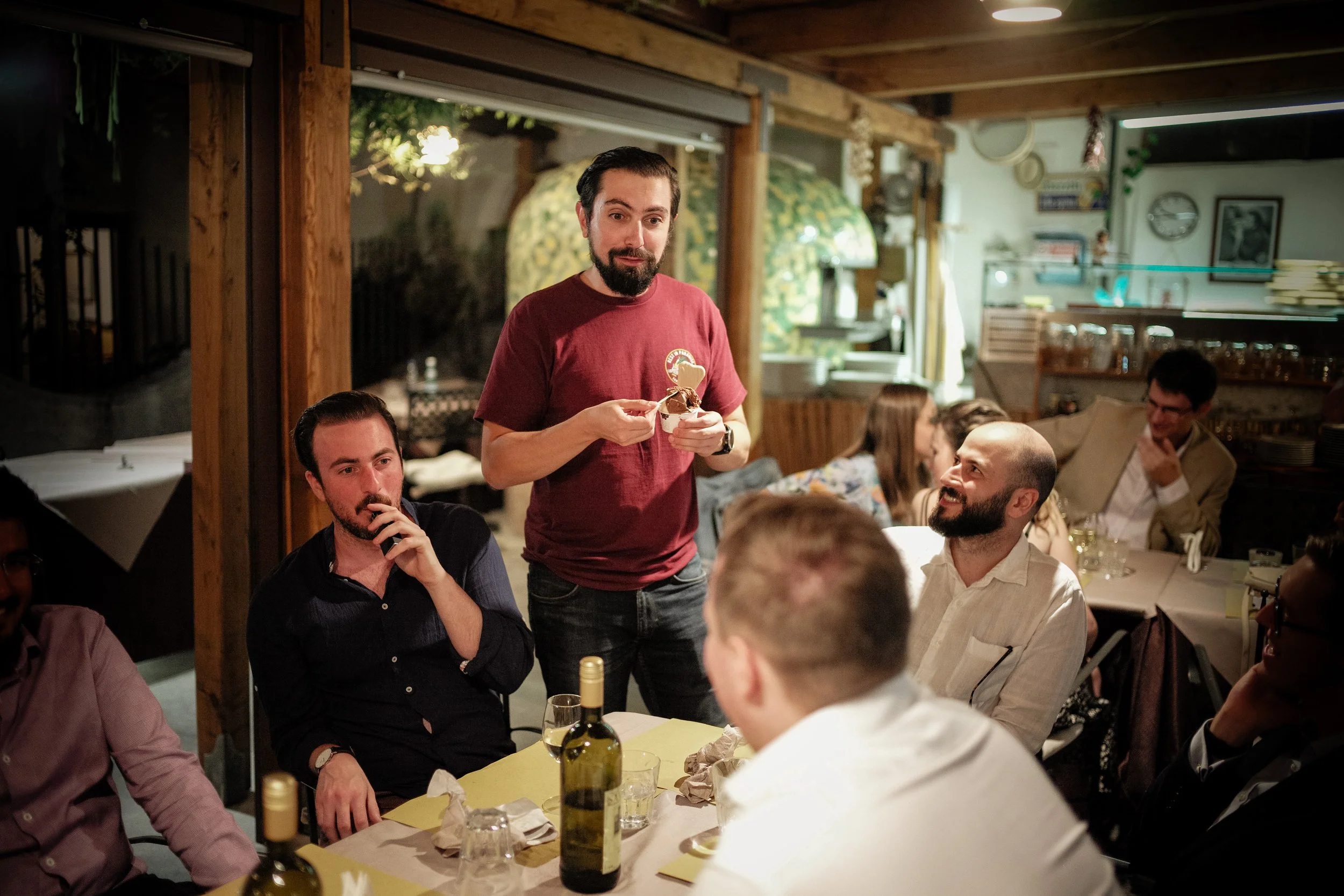
  • Optional: boat hour / village stroll / espresso + gelato

  • A gentle goodbye


Sample timelines you can copy/paste


Option A: 2-day weekend (Welcome + Wedding Day)

Day 1 — Welcome Night

  • 16:30–18:00 Guests arrive / settle in

  • 18:00–19:15 Aperitivo + hellos

  • 19:30–22:00 Dinner

  • 22:00+ Terrace hangs / nightcap

Day 2 — Wedding Day

  • 10:30–12:30 Getting ready (slow pace, good light, no chaos)

  • 12:30–13:00 Quiet moment together (letters, a walk, a breath)

  • 13:00–13:20 Couple portraits (short + relaxed)

  • 13:20–14:00 Reset / lunch / downtime

  • 16:30 Ceremony

  • 17:00 Cocktail hour

  • 18:30 Golden-hour portraits (15–20 minutes, quick + cinematic)

  • 19:45 Dinner begins

  • 20:45 Toasts

  • 21:15 First dance

  • 21:30–00:00 Party

Why this works: you get beautiful light without building the day around portraits, and you’re not disappearing from your guests for hours.


Option B: 3-day weekend (Welcome + Wedding + Brunch/Day-after)

Day 1 — Arrival Aperitivo

  • 18:00 Aperitivo

  • 19:30 Dinner

  • Early night encouraged (travel fatigue is real)

Day 2 — Main Welcome Party (highly recommended)

  • 17:30–19:00 Welcome cocktails (music + sunset energy)

  • 19:30 Dinner + 2–3 short toasts

  • Keep it joyful, not formal

Day 3 — Wedding Day

  • 11:00–13:00 Getting ready

  • 16:30 Ceremony

  • 17:00 Cocktail hour

  • 19:45 Dinner + party

Day 4 — Brunch + Day-after session (optional but magic)

  • 11:00 Brunch

  • 13:00–14:00 Boat / village stroll / gelato hour

  • 14:30 Goodbyes

Why this works: the emotional weight is distributed across the weekend. Your wedding day becomes simpler, lighter, and more present.


Italy-specific timeline tips that save your sanity

Transportation takes longer than it looks

Amalfi roads, Como boat transfers, countryside distances—build buffers. If it feels “too padded,” it’s probably correct.

Midday heat + harsh sun are real

In warmer months, late afternoon ceremonies are often the most comfortable and the most flattering.

Sound curfews & venue rules matter

Many villas have volume limits. Plan the party rhythm so the night still feels full—even if music has to shift later.

If there’s a church, treat it like a different day

Church timing, travel, and photo rules can reshape the schedule. Build more margin than you think you need.


Quick checklist: the essentials for a relaxed weekend timeline

  • Arrival buffer and settle-in time

  • Welcome aperitivo that’s genuinely relaxed

  • Wedding day padding (transport + hair/makeup + transitions)

  • Two short portrait windows (not one long block)

  • 15 minutes protected near golden hour

  • A weather plan B you actually like

  • A day-after exhale (brunch / boat / stroll)


Want my sample Italy weekend timeline template?

If you tell me your location (Tuscany/Como/Amalfi/Rome), guest count, and weekend shape (2 vs 3 days), I’ll share a suggested flow that keeps you present with your people—and still gives you cinematic, honest storytelling.

Contact me to start your destination wedding experience!