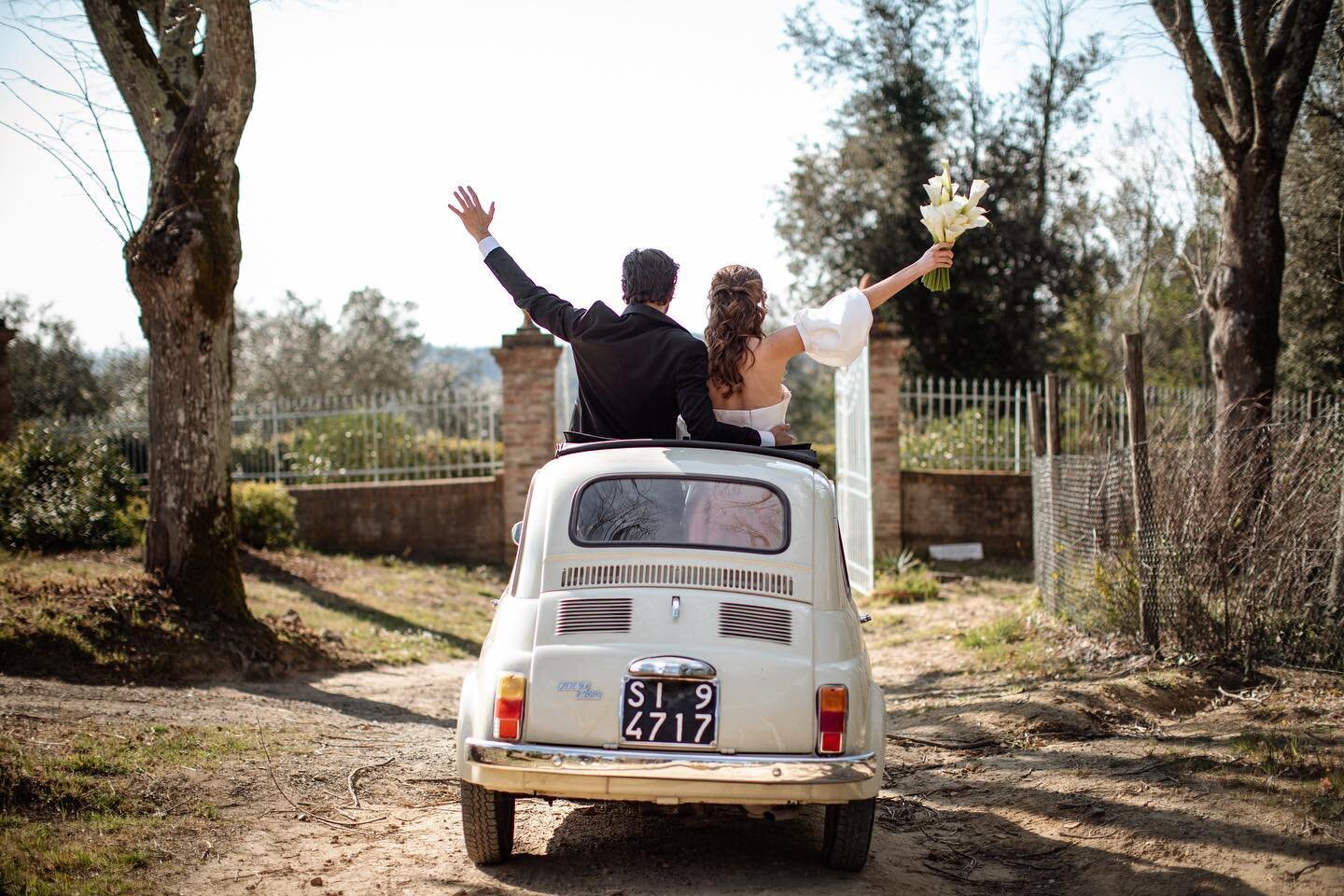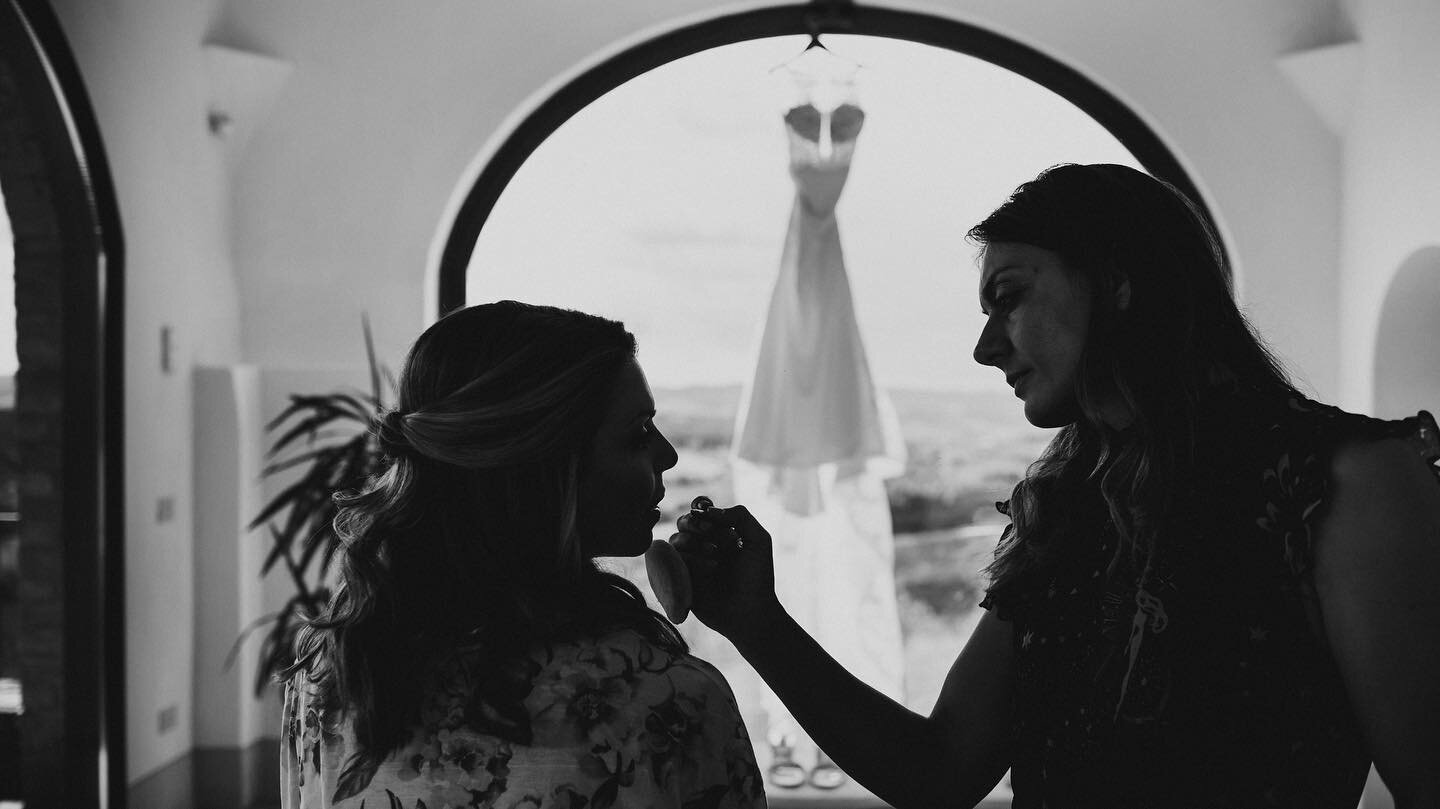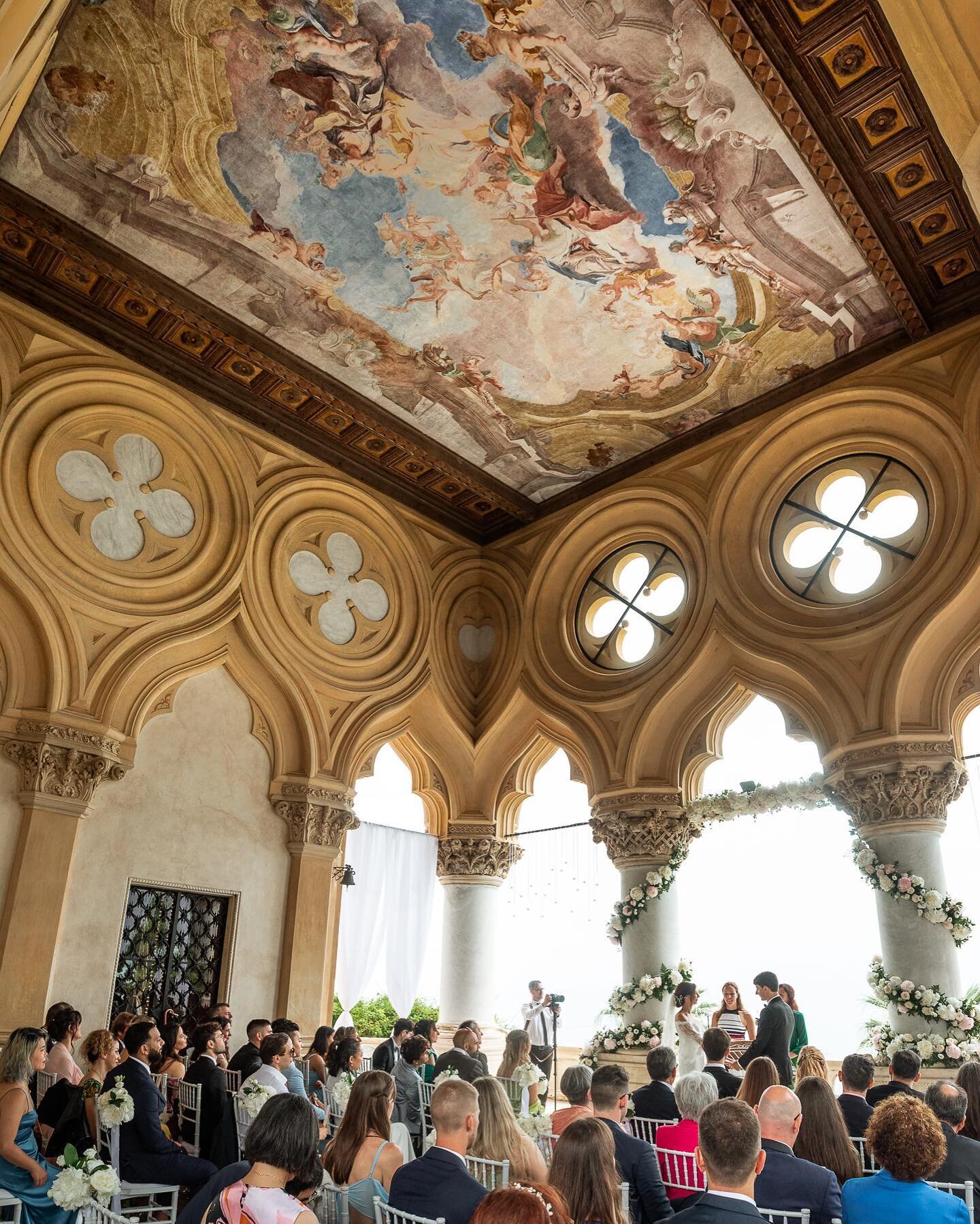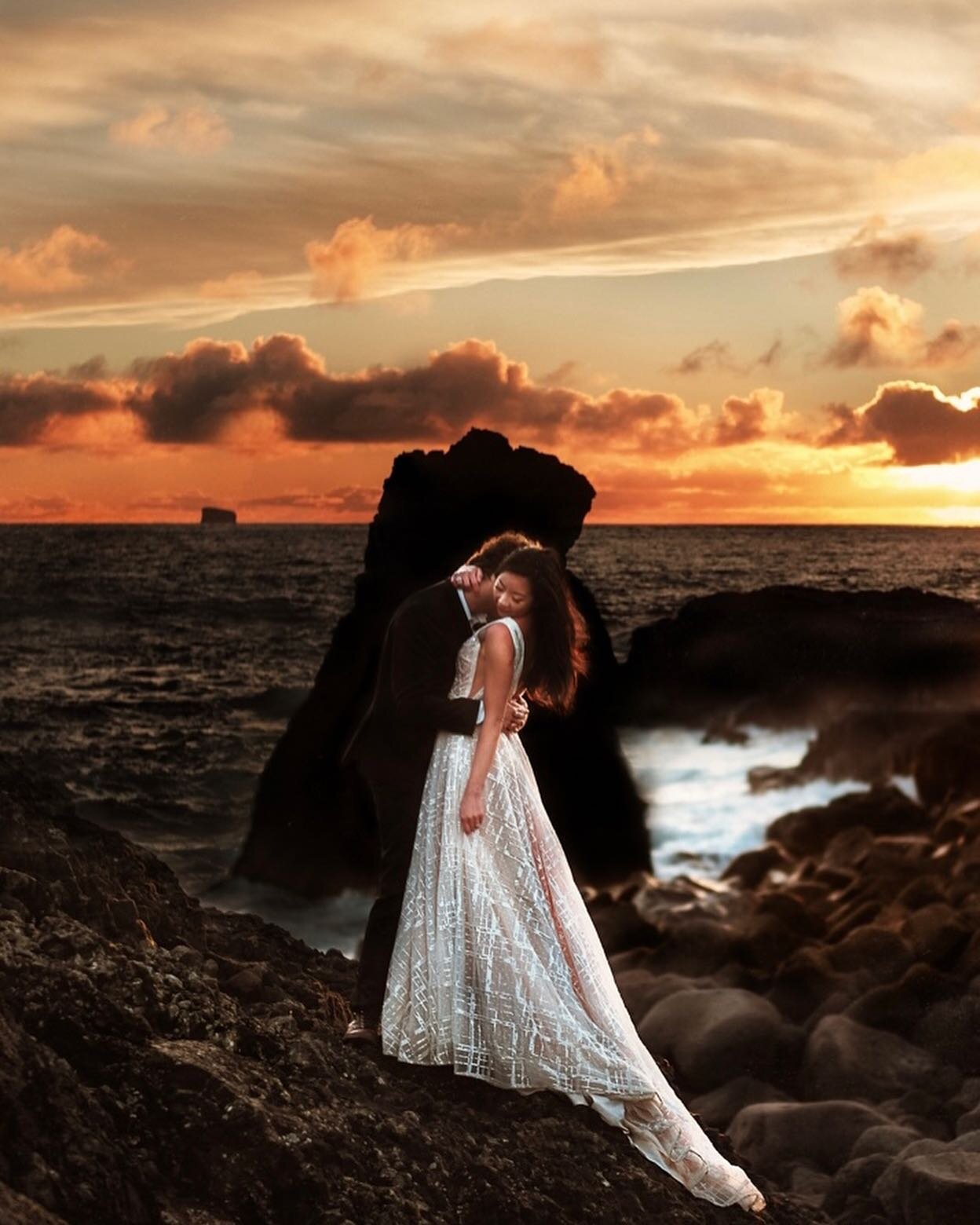
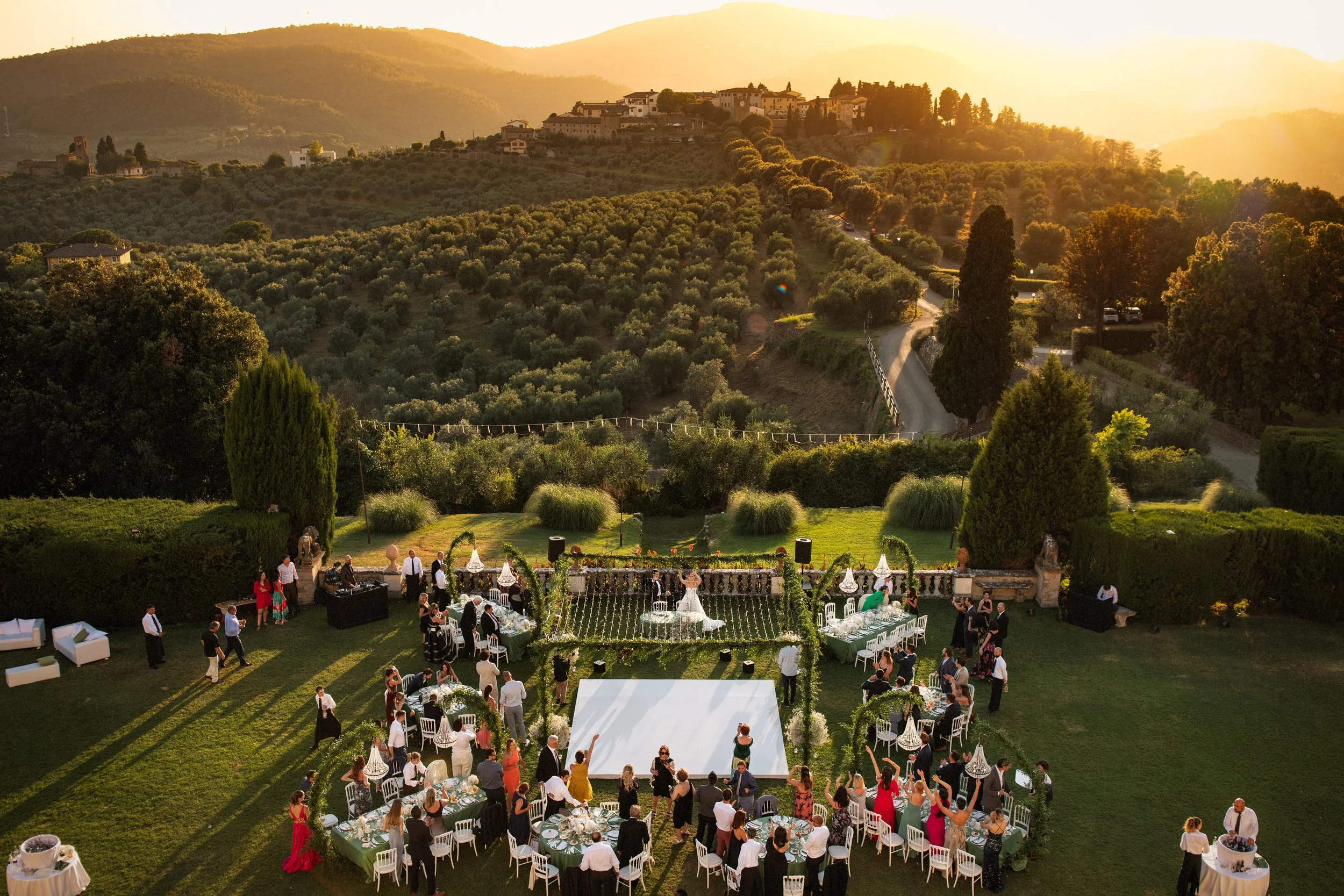
A destination wedding weekend in Italy is not just a wedding stretched across more days.
It is a gathering of the people who matter most, in a place that already feels alive with beauty, food, history, and a sense of adventure.
By the time the wedding day arrives, something has already begun.
Guests have crossed oceans. Families have left their routines. Friends have taken time away from full lives to be present. Some may be seeing Italy for the first time. Others may know it well. Either way, there is a feeling in the air that is different from a local wedding.
There is anticipation. There is travel. There is the simple thrill of being somewhere beautiful together.
That changes the emotional rhythm of the whole experience.
As a photographer based in Italy, I have come to believe that the best destination weddings are rarely about one perfect day. They are about the full arc of the weekend. The arrival. The welcome dinner. The ceremony. The long meal. The dancing. The slow goodbye the next day.
The wedding is the center, of course. But the meaning often builds before it, and lingers after it.
A destination wedding weekend is about more than the wedding day
Most one-day weddings move quickly.
People arrive. They find their seats. The ceremony begins. There is a cocktail hour, dinner, dancing, and then suddenly the night is over.
A destination wedding weekend in Italy feels different because people have time to arrive emotionally.
The guest list is usually more intentional. These are often the closest friends and family members. The people who took time out of their lives to travel because this couple matters to them.
That alone creates a different feeling.
There is also the shared adventure of Italy. The setting is not just decorative. It becomes part of the experience. The food, the light, the architecture, the long meals, the late evenings, the narrow roads, the villa gardens, the sound of glasses being filled again.
All of it adds atmosphere.
This is why a destination wedding weekend can feel so personal. Everyone is outside their normal routine. They are more open. More present. More aware that this is not just another Saturday wedding.
They are part of something they will remember.
Day one: the welcome dinner

The welcome dinner is often where the weekend becomes real.
Before the ceremony, before the dress, before the formal timeline, there is this first moment when everyone comes together.
People arrive a little tired, a little excited, sometimes slightly unsure of where they are going or what the weekend will feel like. Then they sit down. Wine is poured. Plates start to arrive. Old friends reconnect. Families begin to mix. Guests who have never met start to find their place inside the group.
There is usually a visible shift.
The couple gets to welcome people without the pressure of the wedding day itself. They can hug everyone properly. They can have conversations that would feel impossible during the wedding timeline. They can look around and realize, often for the first time, that everyone is really there.
That is a powerful moment.
And from a photographic perspective, the welcome dinner often carries a kind of ease that is hard to recreate later. People are dressed beautifully, but not formally guarded. They are excited, but not overwhelmed. The emotion is close to the surface, but the pressure is still low.
Some of the most honest photographs of the weekend happen in that space.
A toast before the sun goes down. A parent watching the couple from across the table. Friends laughing too loudly over pasta. Someone leaning back in their chair, finally settling into the feeling of being in Italy together.
These are not always the images couples think they are hiring a photographer for.
But later, they often become the photographs that explain what the weekend felt like.
Why the welcome dinner changes the wedding day
A welcome dinner does something practical and emotional at the same time.
Practically, it lets people meet before the wedding. It softens the social edges. By the time guests arrive for the ceremony the next day, they are not walking into a room full of strangers.
Emotionally, it gives the whole weekend a beginning.
People have already laughed together. They have already shared a meal. They have already started becoming a small community around the couple.
That changes the wedding day.
The ceremony feels warmer. The aperitivo feels more relaxed. The dance floor opens faster. The couple feels less pulled in a hundred directions because they have already had time with people the night before.
For many destination weddings, especially intimate ones, the welcome dinner is not an extra event. It is part of the emotional foundation of the weekend.
Day two: the wedding day
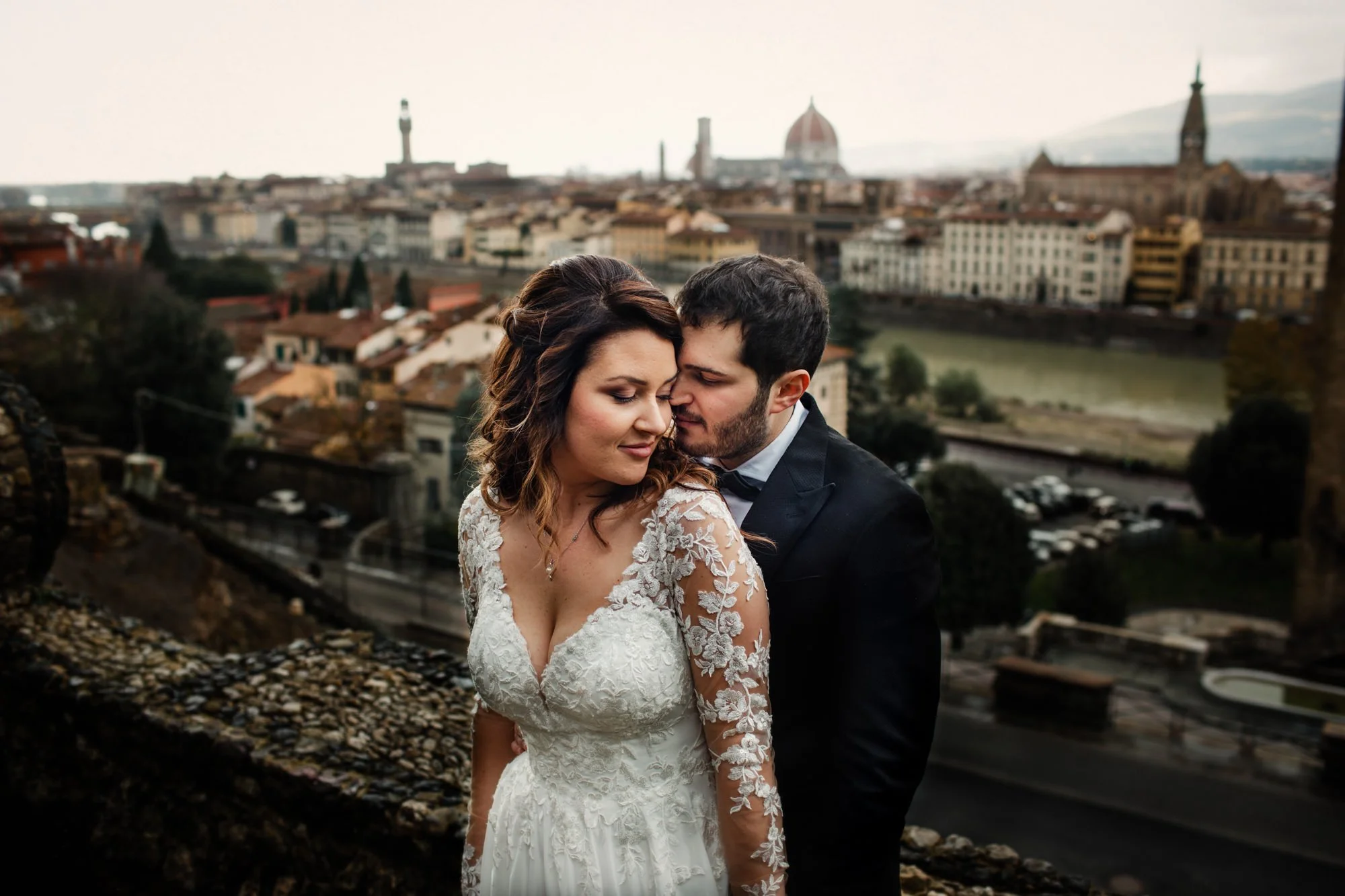
The wedding day is still the emotional center.
But in Italy, especially for villa weddings or countryside estate weddings, the day often begins with a different kind of atmosphere.
People may already be staying nearby or on the property. The morning can feel more contained. Less fragmented. Less like everyone is rushing in from different parts of a city.
There is often a sense that the wedding is unfolding inside a world everyone has already entered.
The couple wakes up in the place where the story is happening. Friends pass each other in hallways. Family members gather slowly. Someone is drinking espresso outside. Someone is steaming a dress. Someone else is trying to find the right room in an old villa with confusing doors and beautiful light.
There is movement, but there can also be calm.
That calm matters.
The best wedding mornings give people enough space to feel what is happening. Not every minute needs to be packed. Not every moment needs to be directed. Some of the strongest images come when people have enough breathing room to be themselves.
The flow of an Italian wedding day

Every wedding is different, but many destination weddings in Italy follow a rhythm like this:
Getting ready in the morning or early afternoon.
A ceremony, often outdoors or in a historic space.
Aperitivo or cocktail hour.
Family photos and portraits.
A long dinner.
Speeches, cake, music, and dancing late into the night.
The Italian pace is important here.
Meals are not usually rushed. Food is part of the experience, not just something to get through. Guests often move between spaces: ceremony garden, terrace, courtyard, dining area, dance floor. Light, temperature, and timing shape the feeling of the day.
A summer wedding in Tuscany will have a different pace than a spring wedding on Lake Como. A wedding in Rome will feel different from a villa weekend in Puglia. The region matters. The venue matters. The season matters.
But what matters most is giving the day room to breathe.
A destination wedding in Italy works best when the timeline supports the experience instead of controlling it too tightly.
Why the wedding day feels different after a welcome event
When the welcome dinner has already happened, the wedding day often feels more emotionally open.
People are not arriving cold. They are not just finding their seats and making polite conversation. They have already begun to belong to the weekend.
That makes a real difference.
As a photographer, I notice it in small ways.
Guests are more relaxed around each other. Families interact more naturally. Friends from different parts of the couple’s life start to blend. People are more willing to laugh, cry, dance, and be fully present.
The photographs reflect that.
The camera becomes less important because the experience is already alive.
Day three: the farewell brunch, pool day, boat day, or slow goodbye
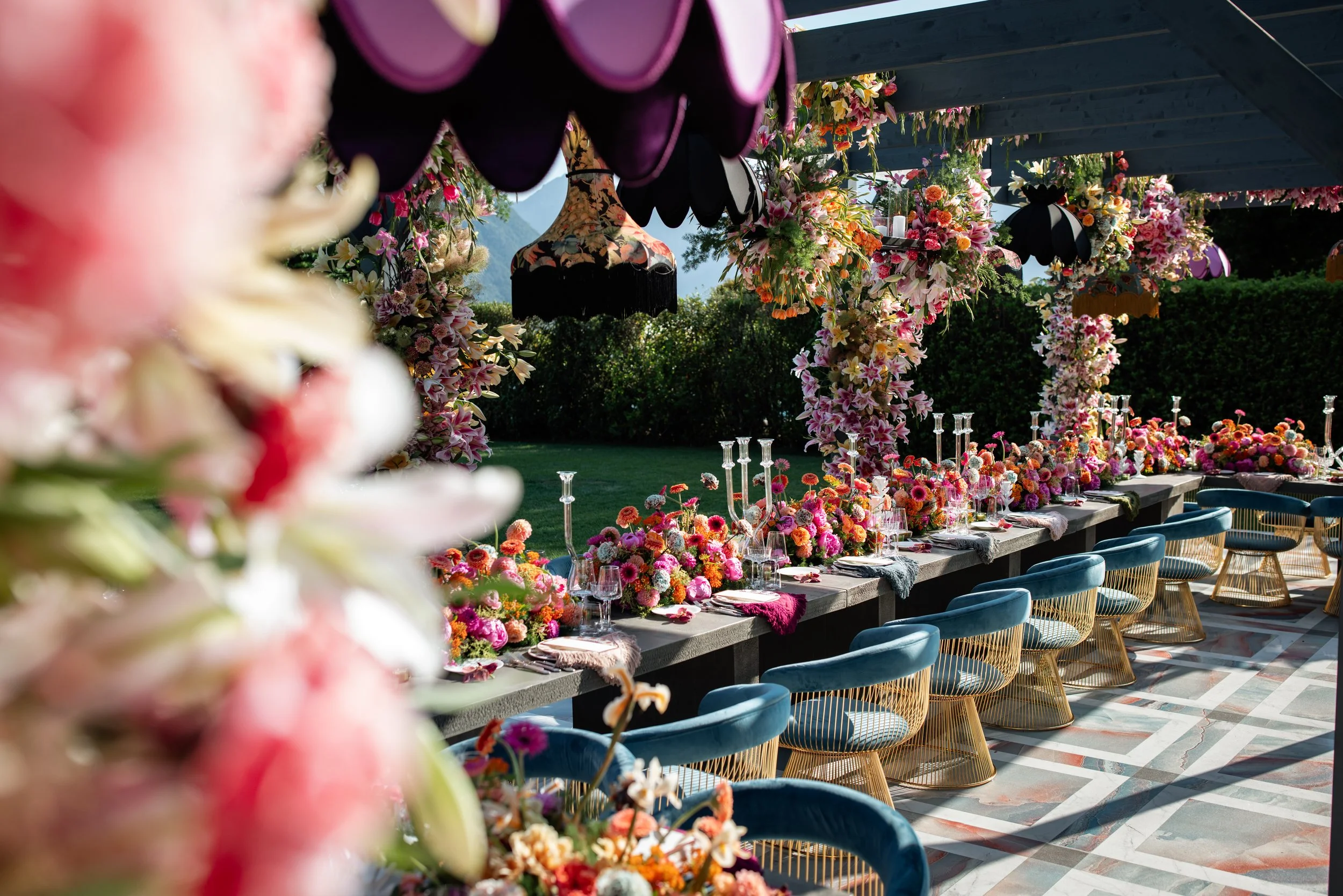
The final day has a completely different emotional tone.
The intensity of the wedding day has passed. The formal parts are finished. Everyone is a little tired, a little sun-soaked, maybe slightly emotional. The stories from the night before are being retold over coffee, pastries, a poolside lunch, or a slow meal somewhere beautiful.
This part of the weekend can feel like an exhale.
On Lake Como, it might be a boat ride. On the Amalfi Coast, it might be lunch by the sea. In Tuscany or Puglia, it might be a pool day at the villa. In Rome or Florence, it might be a long brunch before guests begin traveling home.
It does not need to be elaborate.
What matters is that the weekend has a soft ending.
For the couple, this can be one of the only times they get to be with people after the emotion of the wedding day has settled. They can hear what guests loved. They can laugh about the dance floor. They can sit with friends in a less formal way.
For guests, it gives the whole trip a sense of closure.
And photographically, these moments can be quietly beautiful.
They may not look like traditional wedding photographs. But they often hold the memory of the weekend in a very honest way: linen shirts, wet hair from the pool, children running around, sunglasses on tired faces, friends lingering over the last meal before everyone scatters again.
It is a different kind of beauty.
Less formal. More lived-in.
Why multi-day photography tells a fuller story
The wedding day matters deeply.
But it is not always enough to explain the full experience.
The welcome dinner shows anticipation.
The wedding day shows commitment, intensity, and celebration.
The farewell gathering shows closeness, release, and memory beginning to form.
Together, they create a fuller emotional story.
That is why multi-day photography can matter so much for a destination wedding in Italy. It is not just about having more photos. It is about preserving the rhythm of the weekend honestly.
If everyone has traveled this far, if the people present are the ones who matter most, if the weekend itself is part of the gift you are giving them, then the story is bigger than the ceremony and reception.
Some of the most meaningful photographs may happen outside the official wedding day.
The first hug when someone arrives.
A welcome toast at sunset.
Your parents meeting friends from another part of your life.
A quiet walk through the villa garden.
A long lunch the day after.
The feeling of everyone finally being together in Italy.
These are the pieces that make the wedding feel like a memory rather than an event.
What couples often underestimate
Couples usually understand that the wedding day will be emotional.
What they often underestimate is how meaningful the rest of the weekend will feel.
They may think of the welcome dinner as a nice extra. Then it becomes the moment everyone truly arrives.
They may think the farewell brunch is optional. Then it becomes the only quiet time they have to sit with people after the wedding.
They may think they only need photography for the main day. Then they realize later that the full weekend was the experience.
Couples also underestimate how fast the wedding day moves.
Even with a thoughtful timeline, the day itself carries a lot. Getting ready, ceremony, portraits, family photos, dinner, speeches, dancing. It is beautiful, but it is full.
The surrounding events give the weekend more emotional space.
They also help guests feel cared for. This matters especially in Italy, where people have often traveled far, navigated transportation, taken time off work, and committed to being present for several days.
Hospitality is not just a planner detail. It shapes how people feel.
And how people feel shapes the photographs.
How to make the weekend feel more present and less performative
The best destination wedding weekends in Italy are not always the most elaborate.
They are the ones where people feel connected, cared for, and free to experience what is happening.
A few things help.
Build in unstructured time.
Let meals be long.
Do not over-schedule every moment.
Choose spaces that encourage people to gather naturally.
Give guests enough information to feel comfortable.
Trust your planner.
Think about transportation before it becomes stressful.
Plan around light, heat, and meal timing.
Leave room for the unexpected.
And when it comes to photography, choose coverage that supports the experience rather than interrupting it.
You do not need every gathering to become a photoshoot. In fact, it should not feel that way. The goal is to document the atmosphere from within it, not pull people out of it constantly.
A photographer should know when to guide and when to step back.
That balance matters.
The wedding is meant to be experienced, not performed for.
A sample three-day destination wedding weekend in Italy
Every wedding should reflect the couple, the location, and the people attending. But a simple three-day structure might look like this.
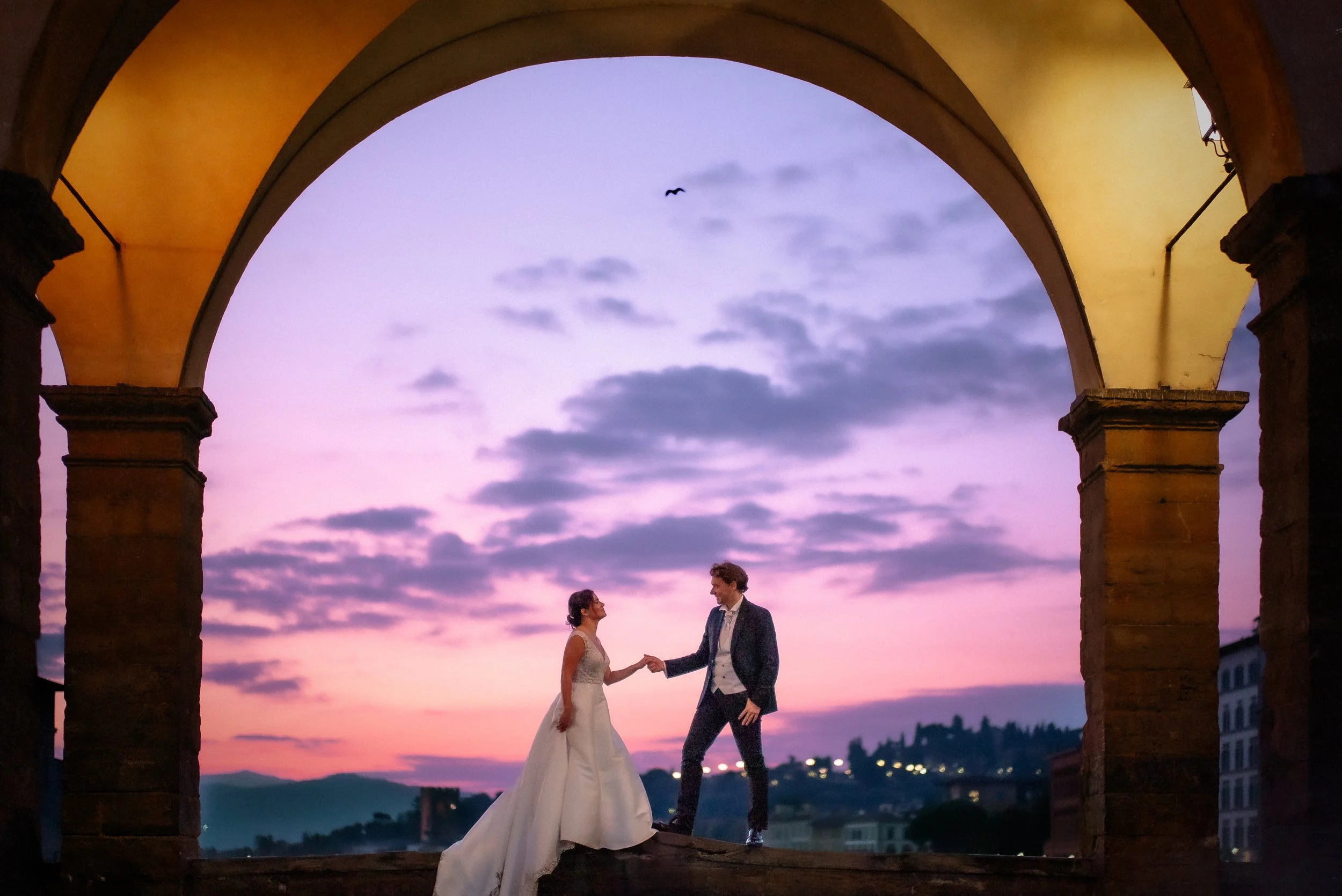
Day one: arrival and welcome dinner
Guests arrive during the afternoon.
The couple hosts welcome drinks, aperitivo, or dinner.
People reconnect and settle into the weekend.
There may be a few informal toasts, but the feeling stays relaxed.
This day is about arrival, warmth, and anticipation.
Day two: wedding day
The couple gets ready at the venue or nearby.
The ceremony takes place in the afternoon or early evening.
Guests move into aperitivo.
Family photos and portraits happen without taking over the experience.
Dinner unfolds slowly.
Speeches, cake, and dancing carry the night forward.
This day is about commitment, celebration, and emotional intensity.
Day three: farewell gathering
Guests meet for brunch, lunch, a boat ride, or a relaxed poolside afternoon.
People talk about the night before.
The couple has a slower chance to be with everyone.
Guests begin to leave gradually.
This day is about closure, gratitude, and the feeling of having shared something meaningful.
Final thoughts from a photographer based in Italy
A destination wedding weekend in Italy is not meaningful because it is elaborate.
It is meaningful because people have chosen to gather with intention.
The location adds beauty. The food adds pleasure. The travel adds adventure. The time together adds depth.
But the people are what make it unforgettable.
The best weekends give everyone space to arrive, settle, connect, celebrate, and say goodbye properly. They allow the wedding to become more than a timeline. They become a shared memory.
That is what I am looking for when I photograph these weekends.
Not just what happened.
How it felt to be there.
FAQ
What is a destination wedding weekend in Italy?
A destination wedding weekend in Italy is usually a multi-day celebration built around the wedding day. It often includes a welcome dinner, the wedding itself, and a farewell brunch, pool day, boat day, or final gathering.
How many days should a destination wedding in Italy be?
Most destination wedding weekends are two to three days. Some are longer, especially when guests are traveling from far away or when the couple wants to create a more immersive experience.
Do we need a welcome dinner for an Italy destination wedding?
You do not need one, but it often makes the whole weekend feel more connected. A welcome dinner gives guests time to arrive, meet each other, and settle into the experience before the wedding day.
Should we have photography coverage for the welcome dinner?
For many couples, yes. The welcome dinner often captures the anticipation, relationships, and atmosphere that make the full weekend meaningful. It also tells a part of the story that the wedding day alone cannot show.
Is a farewell brunch worth it?
A farewell brunch or final gathering can be very meaningful, especially for intimate destination weddings. It gives everyone a slower goodbye and helps the weekend feel complete.
How many days of photography coverage do we need?
It depends on what you want remembered. If your wedding is truly a full weekend experience, multi-day coverage often tells the story more honestly than wedding-day-only coverage.
What makes weddings in Italy feel different?
Italy changes the pace and atmosphere of the experience. The food, landscape, architecture, light, history, and slower rhythm of life all become part of the memory. The setting is not just a backdrop. It shapes how the weekend feels.
How do we make our Italy wedding feel less performative?
Give the weekend room to breathe. Build in time for meals, conversation, rest, and natural connection. Choose vendors who understand the feeling you want to create and who can support the experience without turning it into a production.
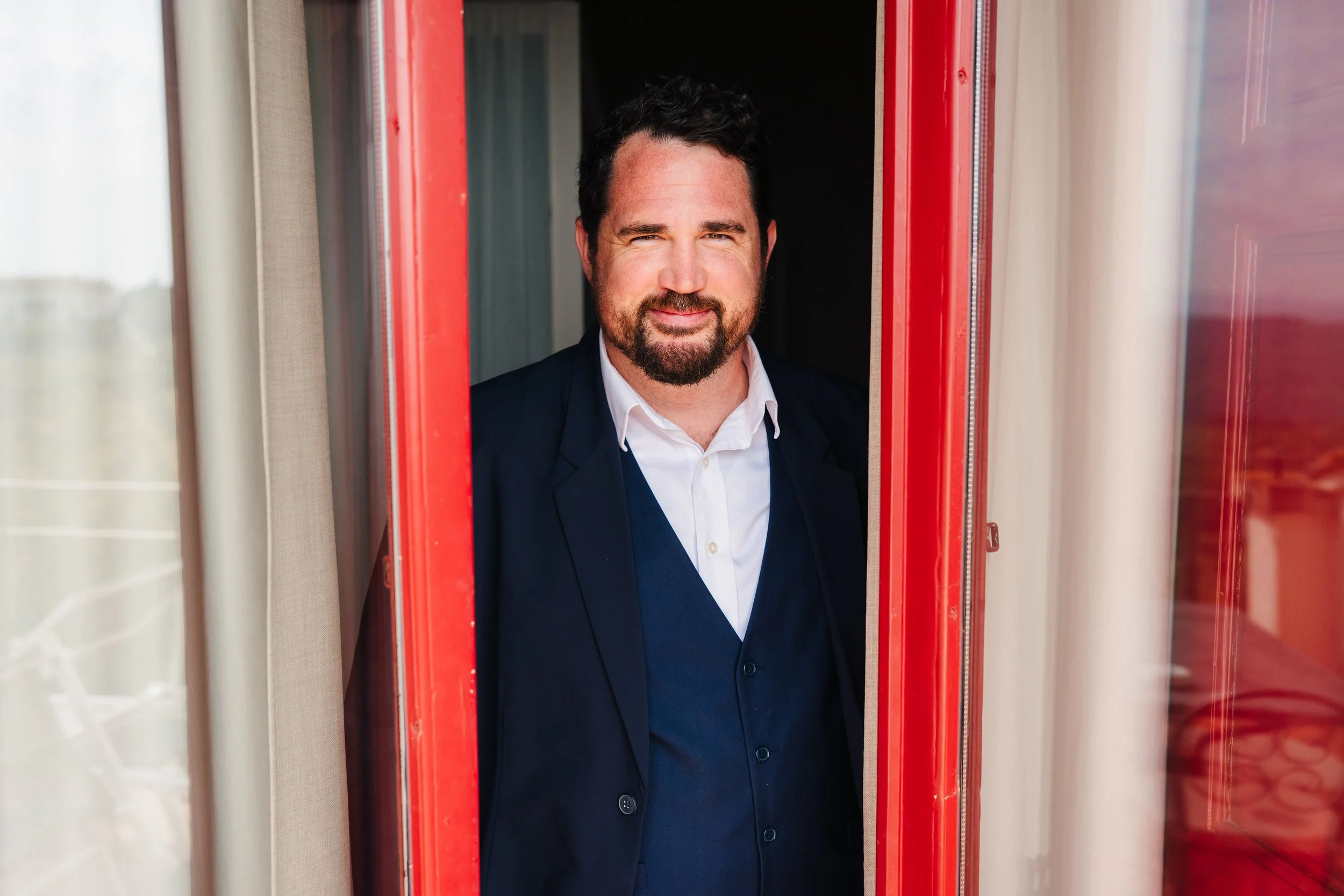
Written by Dan Sauer, an American destination wedding photographer based in Milan, documenting emotionally immersive wedding weekends throughout Italy.